

The Allure of Chance and Risk
One of the primary aspects of casino gaming behavior is the innate human attraction to chance and risk. This fascination can be traced back to our ancestors, where the ability to weigh risks against potential rewards was crucial for survival. In a casino setting, this primal instinct is heightened as players engage with games designed to amplify the tension between risk and reward, transforming each outcome into a significant event. The thrill associated with gambling goes beyond monetary gain; it encompasses the emotional rollercoaster that accompanies every spin of the wheel or roll of the dice, and setting out WinSpirit draws players deeper into the experience.
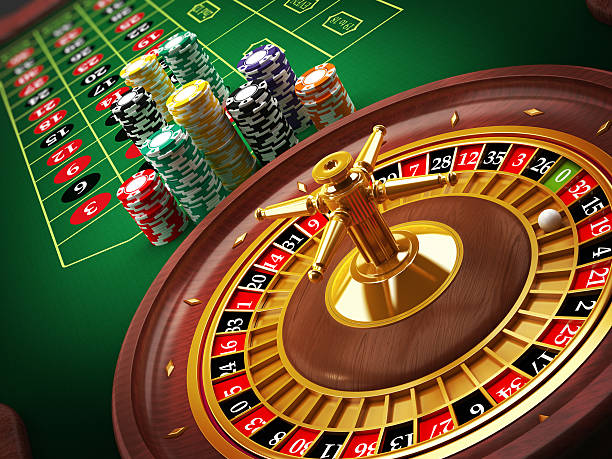
The concept of “near-misses” plays a critical role in reinforcing this behavior. When players come tantalizingly close to winning but ultimately fall short, their brains often release dopamine, a neurotransmitter associated with pleasure and reward. This chemical reaction can create an addictive cycle; players may feel that they are on the verge of a victory, prompting them to continue playing in hopes of finally hitting that elusive jackpot. The psychological mechanism of near-misses is so powerful that it can overshadow the actual odds of winning, leading players to chase losses rather than face the reality of their situation.
Furthermore, the immersive environment of a casino significantly enhances risk-taking behavior. Bright lights, the sounds of clinking coins, and other sensory stimuli create an atmosphere that encourages players to let their guard down. The design of casino layouts, which often include no windows and limited clocks, further disorients players, making them lose track of time and increasing the likelihood of prolonged gaming sessions. This strategic design plays a critical role in the psychology of the player, transforming what might start as a casual outing into a dangerous quest for the next big win.
The Role of Social Interaction
Social interaction is a significant factor influencing casino gaming behavior. Gathering with friends at a casino or engaging with fellow players can enhance the overall gaming experience. The communal aspect of gaming, particularly in games like poker or blackjack, fosters a sense of camaraderie and competition. This social component not only makes gambling more enjoyable but also creates a false sense of security, as players might feel validated in their decisions by the presence and opinions of others.
The psychology behind social gambling involves the concept of social proof. When individuals observe others winning or enjoying themselves at the tables, they may feel compelled to join in, believing there’s a higher chance of success simply by being part of a group. This phenomenon is amplified in situations where players share tips, celebrate wins, or even discuss strategies. The shared excitement can lead to heightened emotions, encouraging players to take bigger risks than they might on their own, often resulting in decisions that they may not have considered independently.
Additionally, social interaction contributes to the normalization of gambling behaviors. As individuals witness friends or acquaintances participating in and reveling in gambling, they may become more inclined to view such activities as acceptable and even desirable. This normalization can diminish personal accountability and lead to a greater acceptance of the risks involved in gambling. Ultimately, this social dynamic contributes to problematic gambling behavior in some individuals, as they may overlook the potential consequences of their actions due to the influence of their peers.
Emotional Regulation and Escapism
For many individuals, casinos provide an escape from the stresses of everyday life and serve as a means of emotional regulation. The vibrant atmosphere, complete with exciting games and the potential for financial windfalls, offers a break from stressors such as work, relationships, or personal issues. In this context, gambling can transform into a coping mechanism, enabling individuals to temporarily detach from their realities and immerse themselves in a world where they can forget their troubles.
This form of escapism can be particularly appealing during times of crisis or emotional turmoil. Players may turn to casinos as a refuge when faced with stress, anxiety, or depression, seeking solace in the thrill of the games. However, while this can provide temporary relief, it may also lead to detrimental long-term consequences. Individuals may begin to rely on gambling as their primary method of coping, exacerbating their emotional struggles and financial issues as their gambling habits escalate.
Moreover, the cyclical nature of gambling can create a paradox where the relief it offers becomes a source of greater stress. As players chase losses or navigate the highs and lows of wins and losses, their emotional state can become increasingly volatile. The initial purpose of gambling as an escape can become overshadowed by the relentless pursuit of relief and distraction, leading to unhealthy patterns of behavior. This cycle can trap individuals in a state of emotional turmoil, making it increasingly difficult for them to break free.
Influence of Cognitive Biases
Cognitive biases play a vital role in shaping casino gaming behavior. Players often fall prey to cognitive distortions that skew their perceptions of risk and reward. A common example is the gambler’s fallacy, a belief where individuals think their chances of winning increase based on previous outcomes. This misunderstanding can lead players to make irrational decisions, such as increasing their bets or extending their playtime, convinced that they are “due” for a win. Such beliefs can have a profound impact on their gambling habits and financial well-being.
Confirmation bias further entrenches these irrational behaviors. Players may focus on their winning moments while conveniently overlooking their losses, leading to an inflated sense of control over outcomes. This selective memory reinforces the belief that they possess better odds than they actually do, causing individuals to underestimate the random nature of casino games. The continuous reinforcement of these biases can lead to compulsive gambling habits, as players increasingly disconnect from the reality of their situations, often placing them in precarious positions.
Additionally, marketing and advertising strategies employed by casinos often exploit these cognitive biases. Promotions and incentives are designed to entice players by appealing to their perceptions of chance and luck. The language used in advertisements may suggest that winning is just around the corner, playing into players’ cognitive biases to draw them into the gaming experience. This deliberate manipulation highlights the importance of understanding the psychological aspects behind casino gaming behavior, emphasizing how they can lead players to make decisions that may not always be in their best interest.
Understanding Casino Gaming Behaviors through Research
Numerous studies have been conducted to explore the psychological factors behind casino gaming behaviors. Researchers have sought to understand what drives individuals to gamble and how specific psychological principles can influence their experiences. These studies have uncovered a variety of variables, from demographics to personality traits, that contribute to gambling behavior, including risk-taking tendencies and emotional stability. Understanding these factors is crucial for developing effective strategies to address gambling-related issues.
Additionally, researchers have examined the impact of the casino environment on gambling behaviors, analyzing how the ambiance can affect decision-making processes. By utilizing various psychological methodologies, researchers can gain insights into player motivations, enabling casinos to develop targeted strategies that enhance customer experiences. This understanding is not only beneficial for casinos but also serves to promote responsible gaming initiatives that prioritize player well-being and minimize the negative consequences associated with gambling.
As our understanding of casino gaming behavior continues to evolve, there is a growing emphasis on responsible gambling practices. Research findings are being utilized to develop interventions that can help players recognize harmful behaviors and support those who may be struggling with gambling addiction. By addressing the underlying psychological factors, the industry can better assist individuals in making informed decisions about their gaming behaviors and promote healthier approaches to casino experiences.