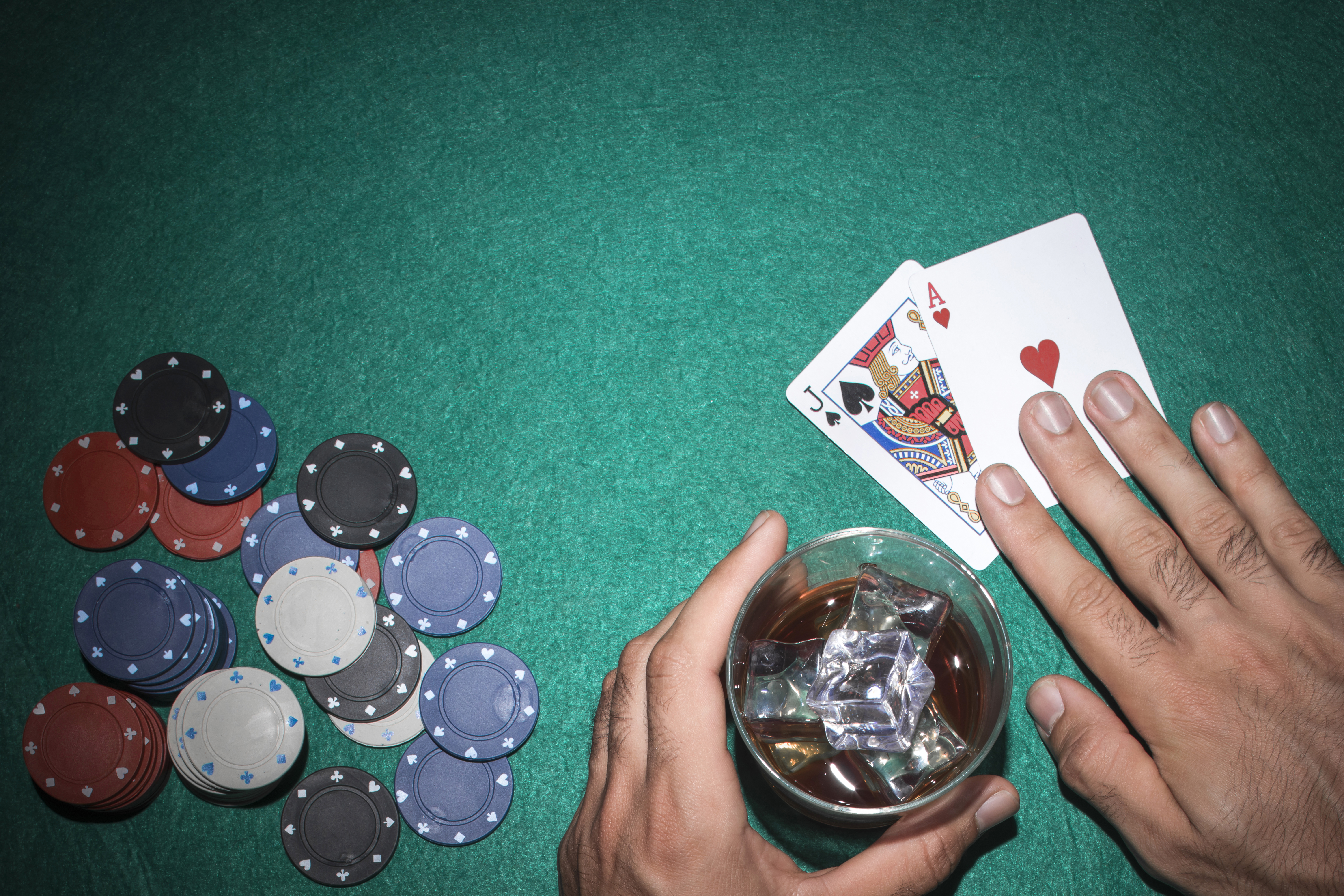
The allure of risk and reward
The psychology of gambling is deeply rooted in the allure of risk and reward. Many individuals are drawn to the thrill of taking chances, where every decision can lead to a substantial gain or a disheartening loss. The anticipation experienced before the outcome fuels the excitement; it activates the brain’s reward system, releasing dopamine, the neurotransmitter associated with pleasure. Online enthusiasts often explore australian betting sites that offer various games, creating a cycle where winning reinforces behavior, encouraging gamblers to return to the activity in hopes of repeating the euphoric experience.
Moreover, the concept of “near-misses” plays a significant role in gambling psychology. When players come close to winning—like rolling a nearly winning combination or landing just shy of a jackpot—they often experience a heightened sense of excitement. This psychological phenomenon leads them to believe that success is imminent, prompting continued engagement with the game. The brain misinterprets these near-misses as a winning possibility, keeping players hooked and continuously seeking that elusive victory.
Additionally, the social aspect of gambling contributes to its psychological appeal. Many people enjoy the communal experience found in gambling venues, where players can share their victories and losses with others. This social interaction enhances the excitement, as players cheer each other on and celebrate wins together. The combination of risk, anticipation, and community creates an emotional environment that can be irresistible, making gambling an attractive pursuit for many. This social dynamic can often reinforce gambling behavior, as individuals find companionship and validation in their experiences.
The role of cognitive biases
Cognitive biases significantly impact how individuals perceive gambling outcomes. One of the most common biases is the illusion of control, where players believe they can influence the result of a game through skill or strategy, despite the inherent randomness of chance-based games. For instance, some gamblers think that avoiding certain numbers or making specific choices can sway the outcome in their favor. This misconception can lead to excessive play as individuals chase a false sense of control over their luck, often increasing their financial commitment to gambling activities.
Another prevalent cognitive bias is the availability heuristic, where individuals judge the probability of events based on their recent experiences. If someone has heard about a big jackpot win, they might overestimate their chances of achieving similar success, leading them to gamble more frequently. This bias can skew their perception of the risks involved, clouding their judgment and contributing to increasingly impulsive behavior when it comes to betting and gambling. The perception of gambling as a path to easy riches can create a cycle of repeated attempts, even in the face of repeated losses.

Furthermore, gamblers often display an optimism bias, believing that they are less likely to experience negative outcomes than others. This mindset can result in a tendency to underestimate the risks associated with gambling. The interplay of these cognitive biases not only fuels the desire to gamble but also legitimizes the behavior in the player’s mind, making it challenging for them to recognize the need for moderation or restraint. This distorted thinking can lead to significant financial and emotional consequences, complicating the gambler’s relationship with their activities.
Emotional motivations
Emotions play a significant role in gambling behavior, acting as powerful motivators for many individuals. For some, gambling serves as a form of escapism, providing a temporary reprieve from the stressors of everyday life. The thrill of winning or the excitement of playing can replace negative feelings, making it a convenient outlet for emotional relief. This can lead to habitual gambling as players seek to replicate the high that comes from each win, often neglecting the underlying issues that drive them to seek this form of distraction.
Additionally, the emotional rollercoaster associated with gambling often contributes to its addictive nature. Players experience a mix of hope, despair, excitement, and anxiety, which can create a compelling emotional experience that keeps them returning for more. This emotional variability can be intoxicating; the adrenaline rush associated with wins and the pain of losses create a unique combination that fuels the desire to play again, blurring the lines between healthy enjoyment and problematic behavior. The highs and lows of gambling can mimic the patterns of addiction, as individuals find themselves chasing the next thrill.
Finally, the community aspect of gambling can also feed into emotional motivations. Gamblers often develop personal bonds with fellow players, creating a social network that serves to validate their behavior. Celebrating wins and sharing stories about losses provides emotional support that can normalize gambling, making it feel like an essential social activity. This intertwining of emotions and social validation can complicate an individual’s relationship with gambling, making it difficult to recognize when it has crossed into problematic territory. The social reinforcement of gambling behaviors can perpetuate cycles of engagement, even when individuals may wish to cut back.
Cultural influences on gambling behavior
Cultural context plays a significant role in shaping gambling behaviors and attitudes. In societies where gambling is normalized or celebrated, individuals may be more likely to engage in it without associating guilt or negative consequences. For example, in certain cultures, gambling is a traditional pastime, integrated into social gatherings and celebrations, which further perpetuates its acceptance and participation. These cultural influences can normalize the act of gambling, making it seem less risky than it is, and encouraging individuals to participate more freely.

However, cultural perceptions of gambling vary widely. In some cultures, gambling is viewed as a vice associated with moral decline or illegality. This stigma can create feelings of shame or secrecy among those who engage in gambling. Consequently, individuals from these cultures may gamble in private, leading to potential issues of isolation or dependency, as they lack a supportive community in which to discuss or confront their behavior. The cultural narrative surrounding gambling can heavily influence the individual’s perception of their actions and the consequences associated with them.
The influence of media also cannot be understated. Movies, television shows, and advertisements often romanticize gambling, portraying it as an exciting adventure that can lead to immense wealth. This portrayal can glamorize the lifestyle associated with gambling, attracting individuals who are curious about the thrill it promises. The interplay of cultural beliefs, media representations, and personal experiences can create a complex landscape where gambling behaviors thrive or are challenged. As media continues to shape perceptions, it is essential to consider the broader implications of these portrayals on societal attitudes towards gambling.
Conclusion about understanding gambling behavior
Understanding the psychology behind gambling is crucial for identifying the factors that drive individuals to engage in this risky behavior. The allure of risk and reward, coupled with cognitive biases, emotional motivations, and cultural influences, all contribute to the complex landscape of gambling. By recognizing these psychological components, individuals can better assess their own gambling habits and make informed choices regarding their participation. This awareness can serve as a powerful tool for fostering healthier relationships with gambling activities.
Moreover, as awareness of the psychological aspects of gambling increases, so does the potential for developing more effective interventions and support systems for those struggling with gambling addiction. Educational campaigns and responsible gambling initiatives can help individuals understand their motivations and encourage healthy behavior, reducing the stigma associated with gambling problems. The importance of education cannot be overstated in the effort to promote responsible gambling practices within various communities.
Lastly, organizations focused on promoting responsible gambling are essential in this regard. They provide resources and support for problem gamblers, aiming to create environments that foster healthy gambling practices. Through enhanced understanding and improved support systems, it is possible to navigate the complexities of gambling behavior, ultimately leading to healthier choices for individuals and communities alike. The collaborative efforts of individuals, communities, and organizations can work towards creating a balanced approach to gambling that prioritizes well-being and safety for all participants.