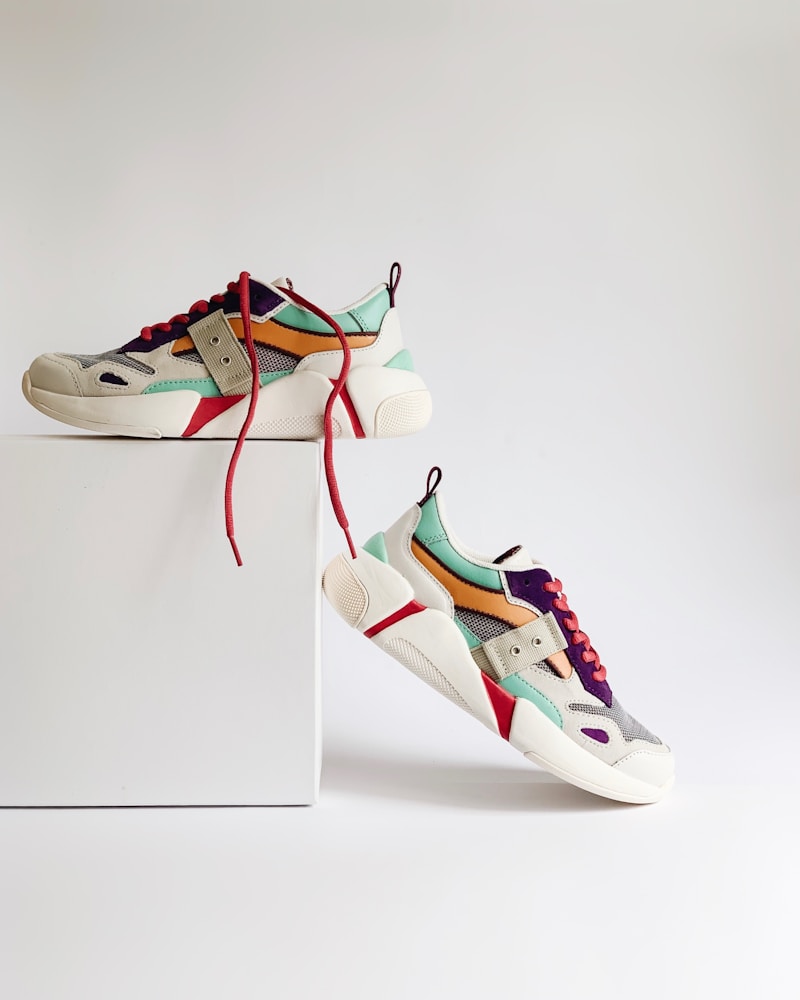

Why Active Kids Need the Right Footwear
Children who run, jump, climb and sprint all day put enormous stress on their feet. Unlike adults, their bones are still soft and growing, so poor footwear can lead to long-term problems. The right shoes support natural development, prevent injuries and keep little ones comfortable from breakfast to bedtime.
Key Features to Look For
Not all kids’ shoes are created equal. Focus on these essentials when shopping.
- Flexible sole: The shoe should bend easily at the ball of the foot, matching how feet naturally move.
- Roomy toe box: Toes need space to splay. A narrow toe box can cause bunions and deformities.
- Secure fastening: Velcro, laces or buckles should hold the heel in place without pinching.
- Breathable upper: Leather or mesh lets sweat escape, reducing blisters and odour.
- Lightweight design: Heavy shoes tire children quickly and alter their gait.
- Grippy outsole: Rubber treads prevent slips on wet grass, gym floors and playgrounds.
Measure, Don’t Guess
Children’s feet grow in spurts, sometimes half a size in a few months. Measure both feet every eight to twelve weeks. Always fit the larger foot, and leave a thumb’s width between the longest toe and the shoe front. If you’re shopping online, trace the foot on paper and compare to the brand’s size chart.
Match the Shoe to the Activity
One pair won’t suit every sport. Running shoes offer cushioning for track and tag. Trainers with pivot points help with tennis and netball. Sturdy sandals work for summer hikes, while waterproof boots handle puddles and snow. For everyday wear, choose a versatile trainer that balances support and flexibility.
When to Replace
Check shoes monthly. Replace them if the sole is worn unevenly, the heel collapses, or the toe scuffs through. A good rule: active kids need new shoes every three to six months. Hand-me-downs are fine only if the previous wearer barely used them, because moulded insoles adapt to one foot shape.
Common Mistakes to Avoid
Buying shoes that are too small ‘to grow into’ causes pain and ingrown toenails. Handing down heavily worn shoes spreads fungal infections. And prioritising style over substance leads to falls and foot fatigue. Let your child test shoes by running, jumping and walking on different surfaces before you commit.
Supportive soles and roomy toes keep little feet happy, and that beats any talk of gamblezen.
Final Thoughts
Investing in well-fitted, activity-appropriate shoes pays off in comfort, confidence and healthy development. Take your time, measure carefully and let your child’s natural movement guide your choice. Their feet will thank you for years to come.