

Exploring the future of gamification in the gambling industry
The Concept of Gamification in Gambling
Gamification refers to the integration of game-like elements in non-game contexts to enhance user engagement and motivation. In the gambling industry, this means incorporating elements such as rewards, challenges, and competitions into traditional gaming experiences. As players engage more deeply, they may find platforms like LolaJack casino particularly appealing. This blend not only attracts new players but also retains existing ones by making gambling more interactive and enjoyable. The psychological appeal of gamification lies in its ability to tap into the natural human inclination for competition and achievement.
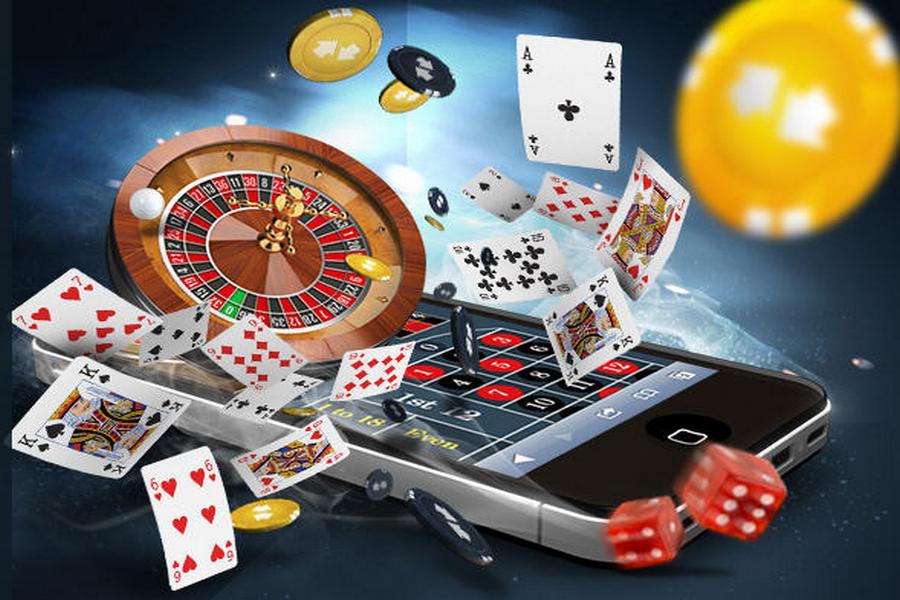
Many gambling platforms have already started implementing gamification techniques, such as leaderboards, achievement badges, and loyalty points. These features transform the gambling experience into a more engaging endeavor, where players feel a sense of accomplishment as they progress through various levels. As technology continues to advance, the potential for gamification in gambling is expanding, leading to innovative ways to enhance player experiences and increase market share.
Moreover, gamification can help address some of the challenges the gambling industry faces, such as addiction and responsible gaming. By creating games that emphasize skill and strategy rather than pure luck, operators can encourage players to think critically about their choices. This could lead to healthier gambling habits and provide a more sustainable gaming environment for all users.
Technological Innovations Driving Gamification
Technology is a significant driver of gamification in the gambling industry. The rise of mobile gaming and online platforms has allowed for more dynamic and interactive experiences. Virtual and augmented reality technologies are being integrated into online casinos, enabling players to immerse themselves in realistic gaming environments. This level of interactivity offers opportunities for gamification by allowing users to engage in virtual challenges and competitions that enhance their overall experience.
Artificial intelligence and data analytics also play crucial roles in refining gamified experiences. Operators can gather and analyze player data to tailor experiences, creating personalized challenges that align with individual gaming styles and preferences. For instance, if a player frequently engages in poker, the platform might introduce tournaments or levels specifically designed for them. This customization not only keeps players engaged but also fosters a sense of belonging within the gaming community.
Blockchain technology is emerging as another transformative force in the gambling sector. It ensures transparency and fairness, which are critical in maintaining player trust. Gamification elements can be integrated with blockchain, allowing for secure and verifiable transactions in various gamified challenges. As these technological innovations continue to evolve, they will provide new avenues for gamification in the gambling industry.
The Role of Social Interaction in Gamified Gambling
Social interaction is a vital component of gamified gambling experiences. Many platforms are incorporating social features that allow players to interact with one another in real-time. This can include chat functions, social media sharing, and multiplayer games that foster competition among friends. The social aspect not only makes gambling more enjoyable but also encourages responsible gaming through peer influence and shared experiences.
Creating communities around gaming experiences enhances user engagement. By allowing players to form teams or join clans, operators can foster a sense of camaraderie and loyalty. This collective participation can lead to more significant spending and prolonged engagement on the platform. Additionally, social competitions, where players can win rewards based on their collective performance, add another layer of excitement and motivation.
Furthermore, the ability to share achievements on social media amplifies the impact of gamification. When players showcase their accomplishments to friends, it acts as a form of social validation. This not only boosts their confidence but also serves as marketing for the gambling platform, attracting new users eager to join in on the fun and competition.
Challenges and Ethical Considerations
While gamification presents numerous opportunities for the gambling industry, it also poses challenges and ethical concerns. One significant issue is the potential for addiction. Gamification elements can make gambling more engaging, which may inadvertently encourage excessive play. Operators must find a balance between providing enjoyable experiences and promoting responsible gambling practices. This could involve implementing features that allow players to set limits on their gaming sessions or utilize self-exclusion options.
Another ethical consideration is ensuring that gamified experiences do not exploit vulnerable individuals. Operators have a responsibility to educate players about the risks associated with gambling. By providing resources and promoting awareness around responsible gaming, the industry can help mitigate some of the potential harms associated with gamification.
Lastly, the integration of technology into gamified experiences raises concerns about data privacy and security. Players must feel confident that their personal and financial information is protected. Transparency in how data is used and strict adherence to regulatory standards are essential in maintaining trust between operators and players.
Looking Ahead: The Future of Gamification in Gambling
The future of gamification in the gambling industry is bright, with potential for continuous growth and innovation. As technology evolves, operators will likely explore even more immersive experiences, leveraging advancements in virtual reality, artificial intelligence, and social gaming. This could lead to entirely new gaming experiences that appeal to a wider audience, breaking traditional boundaries within the industry.
We can also expect to see an increased focus on community-driven gaming experiences. As players seek deeper connections, platforms that facilitate social interaction and collaboration will become increasingly popular. These features can enhance the overall gaming experience while encouraging responsible gambling practices through peer support and shared accountability.
In summary, the future of gamification in the gambling industry will be characterized by innovation, community engagement, and a commitment to responsible gaming. As operators adapt to these trends, they will not only improve player experiences but also contribute to a more sustainable gambling environment.

About Our Website
Our website is dedicated to exploring the dynamic intersection of gamification and the gambling industry. We provide insights, analyses, and resources for both players and operators looking to navigate this evolving landscape. Our mission is to foster a deeper understanding of how gamification can enhance user experiences while promoting responsible gambling.
We strive to keep our content relevant and informative, addressing the latest trends, technological advancements, and ethical considerations in the gambling sector. Whether you are a casual gamer or an industry professional, our platform offers valuable perspectives to help you stay informed and engaged in the world of gamification in gambling.