


Focus on mastering your aircraft’s specific characteristics. Familiarize yourself with every nuance of controls, speed, and flight legends game maneuverability. Regular practice in different scenarios will sharpen your reflexes and decision-making skills, ensuring you can adapt quickly to unpredictable situations.
Next, establish a solid understanding of map layouts and key locations. Knowing where to find resources and optimal flight paths can significantly enhance your tactical advantage. Keep track of high-traffic zones and potential ambush points to outmaneuver opponents.
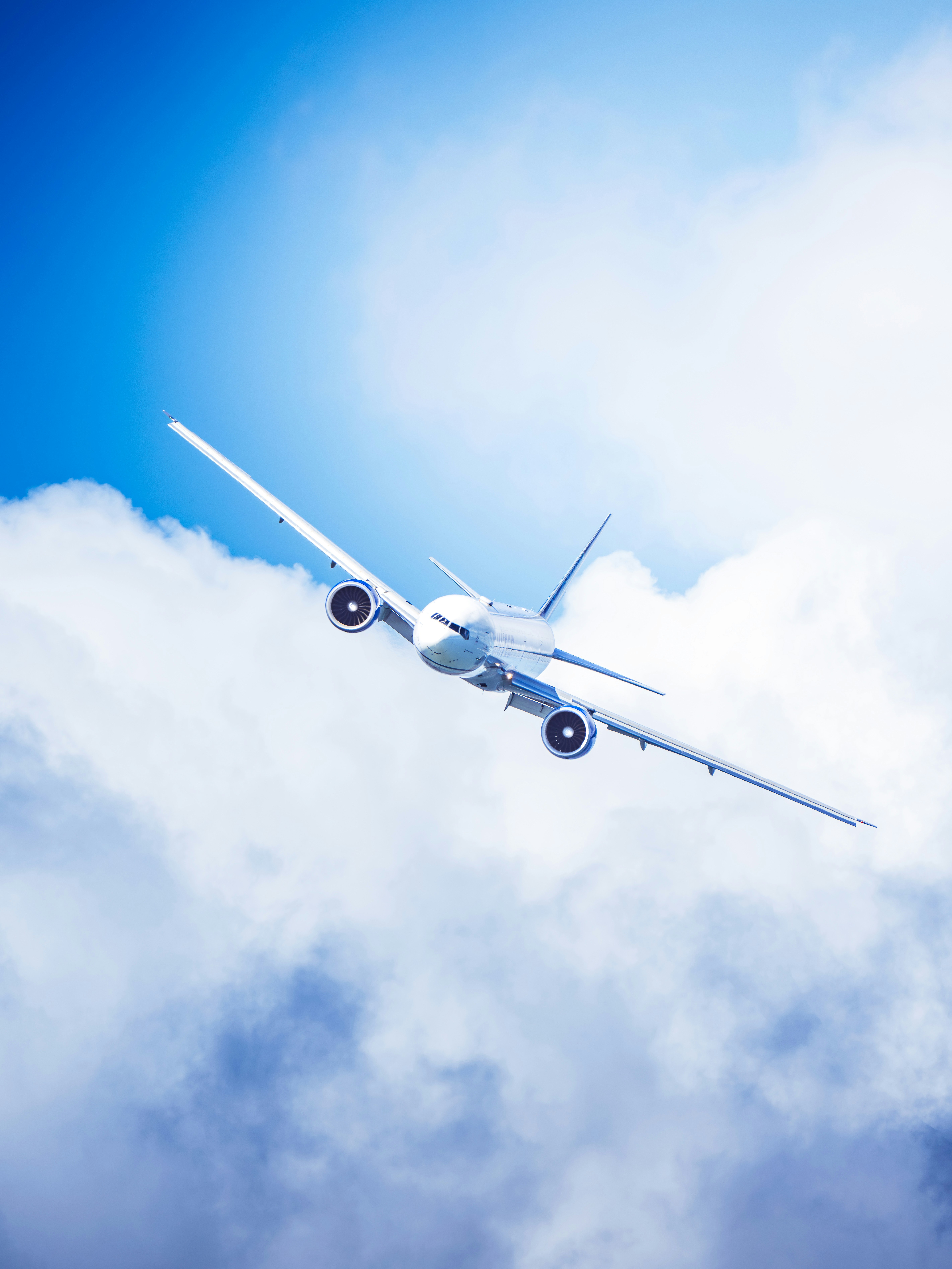
Additionally, prioritize communication with your team. Coordinated efforts can transform individual plays into cohesive tactics. Use voice chat effectively or implement signals to indicate objectives, assisting in better positioning during encounters.
Finally, evaluate your performance after each match. Analyze what worked and what didn’t, and be open to adjusting your approach. Continuous improvement will give you an edge over those who do not reflect on their gameplay.
Optimizing Aircraft Selection for Competitive Edge
Prioritize aircraft with superior speed and maneuverability, specifically models with thrust-to-weight ratios greater than 0.8. Analyze the distinct performance profiles of aircraft such as the F-22 Raptor and the Eurofighter Typhoon, both renowned for their agility and acceleration. Also, consider the payload capacity and radar signature; lower signatures enhance stealth while maximizing load allows for versatility in missions. A calculated choice of aircraft not only impacts immediate engagement but also influences long-term resource allocation and strategic positioning on the battlefield.
Aircraft Performance Comparison
| Aircraft Model | Thrust-to-Weight Ratio | Payload Capacity (kg) | Radar Signature |
|---|---|---|---|
| F-22 Raptor | 1.1 | 2,267 | Low |
| Eurofighter Typhoon | 1.0 | 9,000 | Medium |
| Su-57 | 1.2 | 3,500 | Low |
| P-8 Poseidon | 0.8 | 3,200 | High |
Incorporating advanced avionics and sensor packages can enhance situational awareness. Opt for platforms equipped with features like AESA radars and distributed aperture systems, which significantly increase target acquisition and tracking capabilities. Additionally, assess maintenance costs–aircraft with modular designs tend to reduce downtime, allowing sustained operational readiness. Selecting the right blend of technology and maintenance efficiency will provide a tactical advantage over opponents.
Mastering Flight Maneuvers for Superior Performance
Practice precision in your climbs. Always maintain a steady speed while gaining altitude. This approach reduces the risk of stalling and allows for smoother transitions during ascents.
Key Techniques
- Use proper angle of attack, ideally between 5-10 degrees.
- Monitor your airspeed closely during ascent to avoid stalling.
During descents, keep your descent rate manageable. A controlled glide ensures stability and allows for quick adjustments as necessary. Aim for a descent angle of about 3-5 degrees for optimal visibility and control.
Turns and Navigation
- Execute gradual turns with a bank angle of no more than 30 degrees.
- Practice coordinated turns to maintain balance, using rudder input alongside aileron control.
Master the art of altitude changes. When reducing altitude, perform small, deliberate adjustments rather than abrupt movements. This technique enhances stability and readiness for any unforeseen circumstances that might arise.
Train for emergency situations. Familiarize yourself with recovery techniques for unusual attitudes. Knowing how to regain control can prevent panic and ensure a safe return to stable flight.
Incorporate simulation training into your routine. Utilize flight simulators to rehearse complex maneuvers, allowing you to refine your skills without the risks involved in actual flight. This practice can be invaluable in preparing for various scenarios.
Stay informed about weather conditions. Understanding meteorological phenomena can significantly impact maneuvers. Adjust your strategy based on wind direction and turbulence to ensure a smooth flying experience.