


When I take a seat to analyze jackpot slots, I go beyond the flashy numbers and inspect the structural integrity of the game itself https://needforslots.info.pl/slots/. At Need for Slots, the jackpot section offers a curated selection that rewards analytical scrutiny. I have spent countless hours breaking down volatility patterns, return-to-player percentages, and the mechanical triggers that separate genuine opportunity from mere spectacle. What I appreciate most about this platform is how it arranges progressive and fixed jackpot titles in a way that allows me to compare their underlying mathematics without unnecessary friction. The interface does not conceal critical data behind layers of animation, which means I can quickly assess whether a particular jackpot slot aligns with my session parameters. From my viewpoint as an analytical reviewer, the real value comes from understanding which jackpots provide a mathematically coherent chase and which ones are crafted primarily as entertainment pieces with astronomical odds that verge on the abstract. I have built a systematic approach to identifying the titles that warrant serious attention, and I aim to share that framework with you in practical, actionable terms.
Trigger Conditions and the Highest Stake Issue
The connection between wager size and jackpot eligibility is arguably the most significant variable in any strategic chase method. I have examined dozens jackpot slots at Need for Slots and found substantial variation in how games handle this essential mechanic. Some slots demand top coin amount or maximum lines to be eligible for the top progressive tier, while others provide proportional jackpot access depending on wager multiplier. A third category, which I find especially player-friendly, gives full jackpot eligibility irrespective of bet size, though the chance of triggering may scale with wager amount. I always confirm these conditions prior to my first spin because the monetary implications are significant. A game requiring a five-credit maximum bet when my usual wager is one credit essentially increases fivefold my cost of engagement. This does not immediately disqualify the title, but it calls for a commensurate adjustment in my bankroll calculation and anticipated session duration. The strategic approach I promote treats maximum bet requirements as a cost multiplier that must be incorporated into the overall value proposition of the chase. When the jackpot is sufficiently raised, the greater cost may be warranted; when it sits near its seed value, required max bets create a structural disadvantage that no amount of short-term luck can reliably overcome.
Volatility Assessment and Bankroll Coordination
No jackpot analysis is complete without a comprehensive volatility assessment, and this is where I allocate considerable time before endorsing any title. Volatility dictates the distribution pattern of returns, and in jackpot slots, it inclines to cluster at the extreme end of the spectrum. At Need for Slots, I categorize jackpot games into three volatility bands that directly inform my wagering strategy. High-volatility jackpot slots produce long sequences of below-average returns broken by rare but substantial payouts, demanding deep bankrolls and psychological resilience. Medium-volatility options mix more frequent moderate wins that partially compensate the cost of the jackpot chase, making them appropriate for players who want to prolong session duration without dramatically boosting total exposure. Low-volatility jackpot games are relatively uncommon but do exist in the fixed jackpot category, and I handle these with smaller wager sizes because the reduced variance enables for more precise outcome tracking. The critical error I see repeatedly is players beginning high-volatility jackpot chases with bankrolls calibrated for medium-variance play. This mismatch inevitably concludes in premature session termination and the frustration of abandoning a chase before the statistical cycle has had adequate opportunity to finish.
- Compute your session bankroll as a minimum of two hundred times your base wager for high-volatility jackpot slots to endure natural drawdown periods
- For medium-volatility titles, a bankroll of one hundred times base wager typically supplies sufficient runway to experience the game’s statistical rhythms
- Adapt wager sizing downward when volatility increases rather than chasing losses with elevated bets that hasten bankroll depletion
- Record your actual return percentage across sessions and contrast it against the published RTP to spot deviations that may suggest extended negative variance
My Selection Criteria for Worthwhile Jackpot Slots
Based on extensive analysis of the jackpot offerings at Need for Slots, I have developed my selection methodology into a reproducible framework that prioritizes mathematical coherence over emotional appeal. I commence by filtering for games with declared RTP values above ninety-five percent, as this establishes a baseline return that makes the jackpot contribution a true bonus rather than a required recovery mechanism. Then, I analyze the jackpot trigger frequency data where accessible, selecting titles that pay their top prizes with sufficient regularity to make the chase mentally sustainable. Games that go years between jackpot drops may offer huge headline figures, but the realistic probability of being the triggering player approaches statistical irrelevance for any individual session. I also evaluate the entertainment value of the base game strongly, because the vast majority of spins will not trigger the jackpot, and a tedious base experience makes the waiting period feel unpleasant. The slots that earn my greatest recommendation combine strong base-game engagement, open mechanics, reasonable trigger frequencies, and jackpot sizes that warrant the variance premium. These titles are found across both progressive and fixed categories, and identifying them requires looking past marketing claims to the structural reality underneath.
Set Jackpot Slots With Superior Mathematics
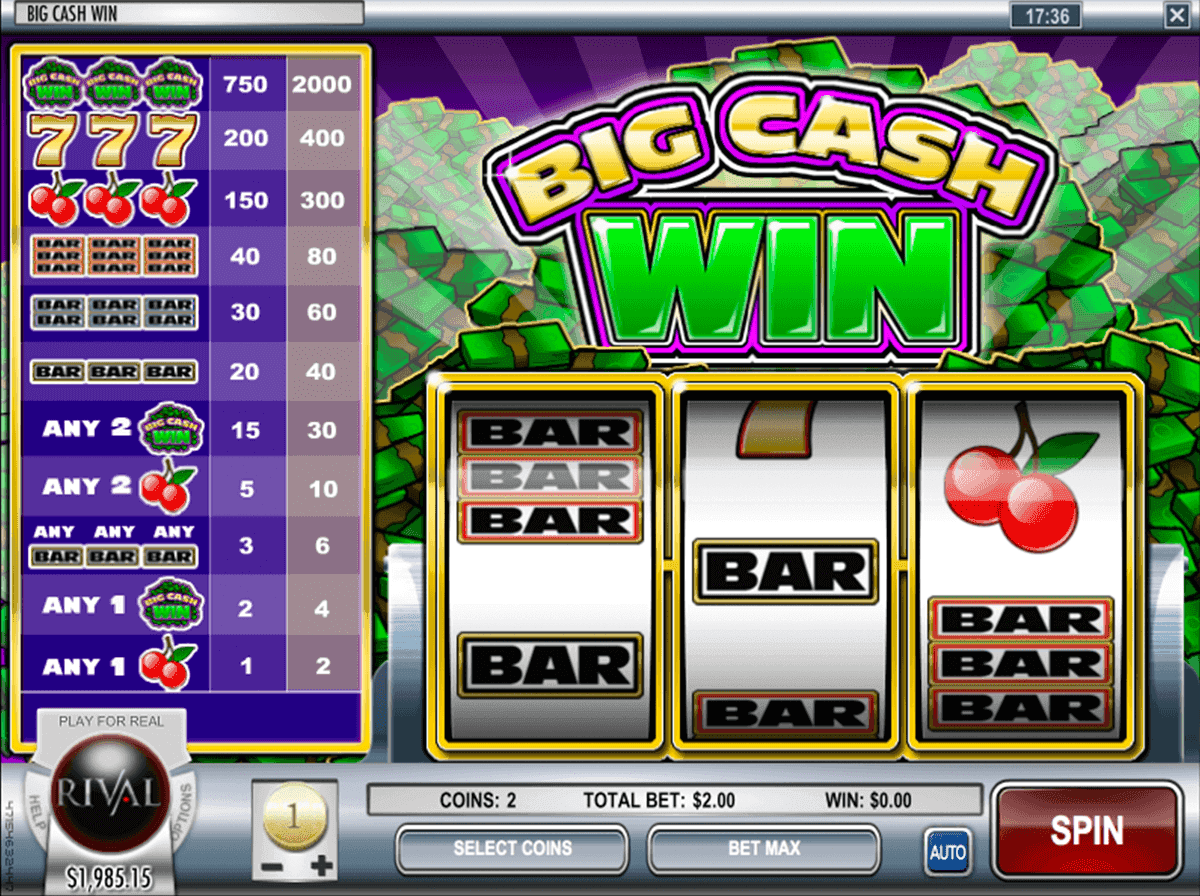
Set jackpot slots do not generate the same headline-grabbing numbers as their progressive counterparts, but I have consistently found them to offer more structured probability structures. At Need for Slots, the fixed jackpot selection includes titles where the top prize represents a well defined multiple of the base wager, usually ranging from five hundred to five thousand times the stake. What makes these games analytically attractive is the absence of contribution deductions from the base game return. Every percentage point of the stated RTP goes straight into the spin outcome rather than being siphoned into a communal pool. I have identified several fixed jackpot titles on the platform where the combination of high base-game hit frequency and substantial top-prize multipliers creates a volatility profile that suits extended analytical sessions. These games compensate patience and consistent wagering patterns rather than the frantic burst play that progressives often foster. From a practical standpoint, I recommend fixed jackpots for players who want to integrate jackpot potential into a broader bankroll management strategy without accepting the extreme variance that networked progressives create. The mathematical transparency of fixed prizes allows for more precise session planning and outcome projection.

Progressive Prize Pools That Justify the Chase
When I assess progressive jackpot titles at Need for Slots, I employ a threshold analysis that takes into account current prize size relative to the statistical breakeven point. Several titles regularly appear on my radar because their accumulation rates and trigger frequencies create windows of genuine positive expectation. I pay close attention to games where the jackpot has climbed significantly above its average payout point, as this indicates a statistical anomaly worth investigating. The platform makes it easy to monitor these prize pools in real time, which is essential for timing entries effectively. I also factor in the base game return percentage, because a strong underlying RTP softens the cost of the chase during the periods between jackpot triggers. The progressive titles I prefer share common characteristics: transparent seed amounts, clearly displayed contribution rates, and trigger mechanisms that do not require maximum wagers to qualify. This last point is vital because mandatory max-bet requirements can dramatically accelerate the cost of pursuit and diminish any theoretical edge the oversized jackpot might provide. My analytical framework always emphasizes sustainability over the raw size of the prize.
- Track jackpot levels daily to identify when prizes exceed historical average payout thresholds by at least thirty percent
- Prioritize progressives with published RTP contributions so you can calculate the effective cost of each spin during the chase phase
- Avoid network progressives with mandatory maximum bet qualifiers unless your session budget specifically supports that elevated wager level
- Check against the jackpot trigger history if available, as games with recent payouts may undergo a statistical cooling period
Understanding Jackpot Mechanisms Ahead of You Spin
Prior to I allocate any bankroll to a jackpot slot, I always deconstruct the trigger conditions. At Need for Slots, I have noted three primary jackpot architectures that essentially shift the risk-reward calculus. The first is the classic progressive network, where a fraction of every wager across multiple casinos feeds into a communal prize pool. These jackpots expand rapidly but also pull enormous player volume, which mathematically diminishes individual probability. The second structure is the local progressive, limited to a single operator or even a single game instance, which accumulates more slowly but usually boasts more favorable hit frequencies because the player pool is substantially smaller. The third category includes fixed jackpot slots, where the top prize stays static regardless of wagering activity. I find fixed jackpots uniquely interesting for analytical play because their probability curves are transparent and unchanging. Each of these architectures demands a different strategic posture, and I have discovered that treating them interchangeably is one of the most common mistakes players make when chasing significant payouts. Understanding the mechanical underpinnings converts the experience from hopeful spinning into calculated engagement.
Practical Session Management While Jackpot Play
Even the most mathematically sound jackpot chase can collapse without disciplined session management, and I have created protocols that protect my bankroll while retaining jackpot eligibility. I set a hard loss limit before every session, computed as a percentage of my dedicated jackpot bankroll rather than my overall playing funds. This division ensures that a jackpot chase does not cannibalize resources assigned to other forms of play. I also define a win threshold at which I secure profits regardless of whether the jackpot has triggered, because the statistical reality is that most sessions will finish without the top prize. The discipline to walk away with a moderate win rather than putting it into additional chase spins separates analytical players from those fueled purely by jackpot fever. At Need for Slots, the session tracking tools let me to monitor my performance against these predetermined limits with precision. I recommend taking structured breaks during extended jackpot sessions to reevaluate whether the chase remains within your original parameters. Fatigue impairs analytical judgment, and decisions made after long stretches of negative variance tend to stray from optimal strategy. Approaching jackpot play as a marathon rather than a sprint preserves both capital and clarity.